Acai or Aronia
3 Reasons to Give Local Aronia a Try - A Gentle Swap for Your Acai Bowl
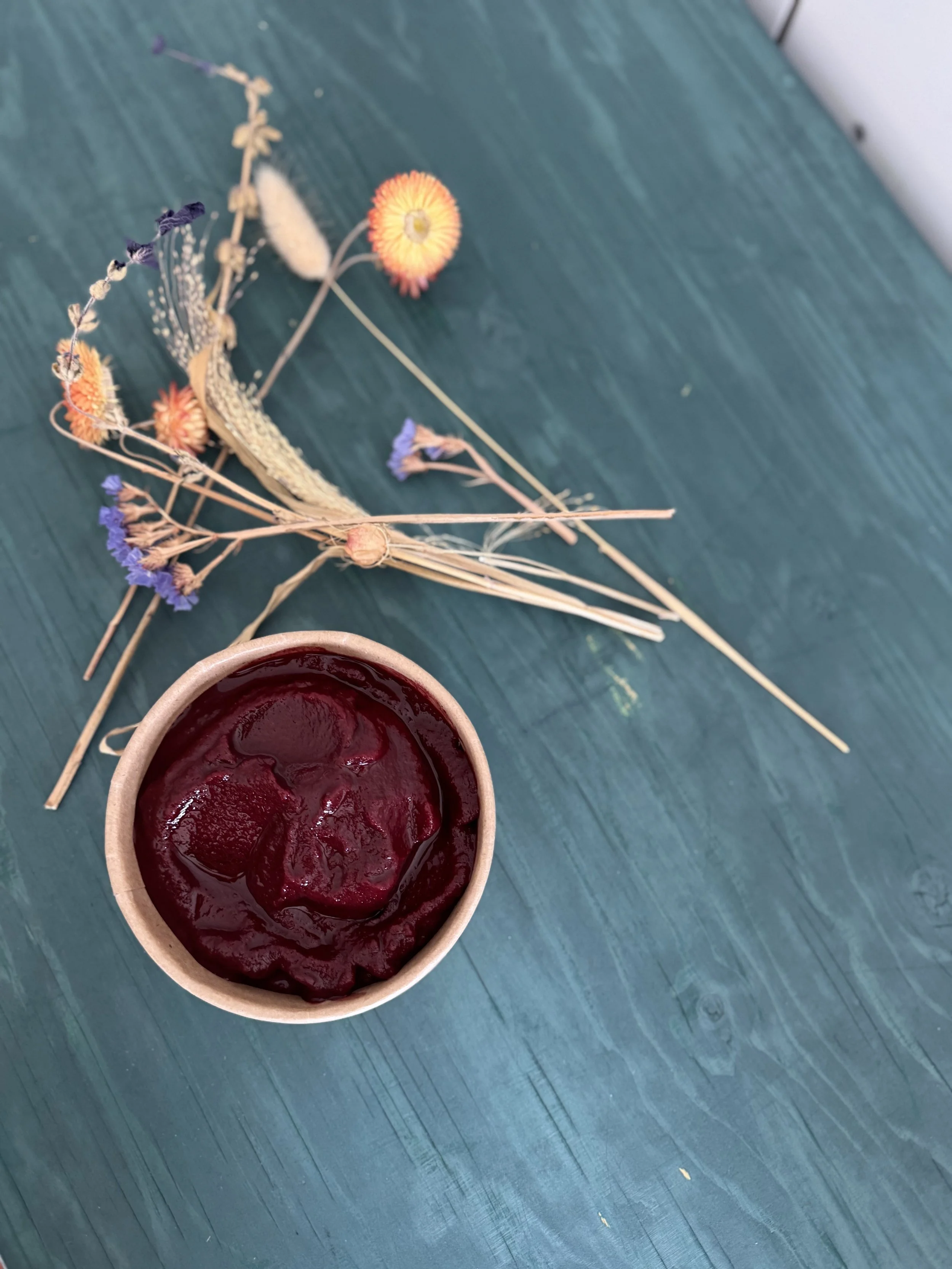
For years, the Acai bowl has been a beautiful and vibrant symbol of wellness. But here in Denmark, there is a local berry that offers a wonderful alternative for those looking to explore something closer to home.
If you are looking to nourish your body and perhaps explore a more sustainable option, here are three reasons to give local Aronia a try.
Exploring new foods can introduce wonderful nutrients to our bodies. The Aronia melanocarpa (black chokeberry) is an incredible plant to learn about. It is an absolute nutritional powerhouse. Polyphenols are like tiny plant defenders, and many of them, like anthocyanins, work as antioxidants to keep us healthy. It is a gentle but powerful way to support your daily well-being.
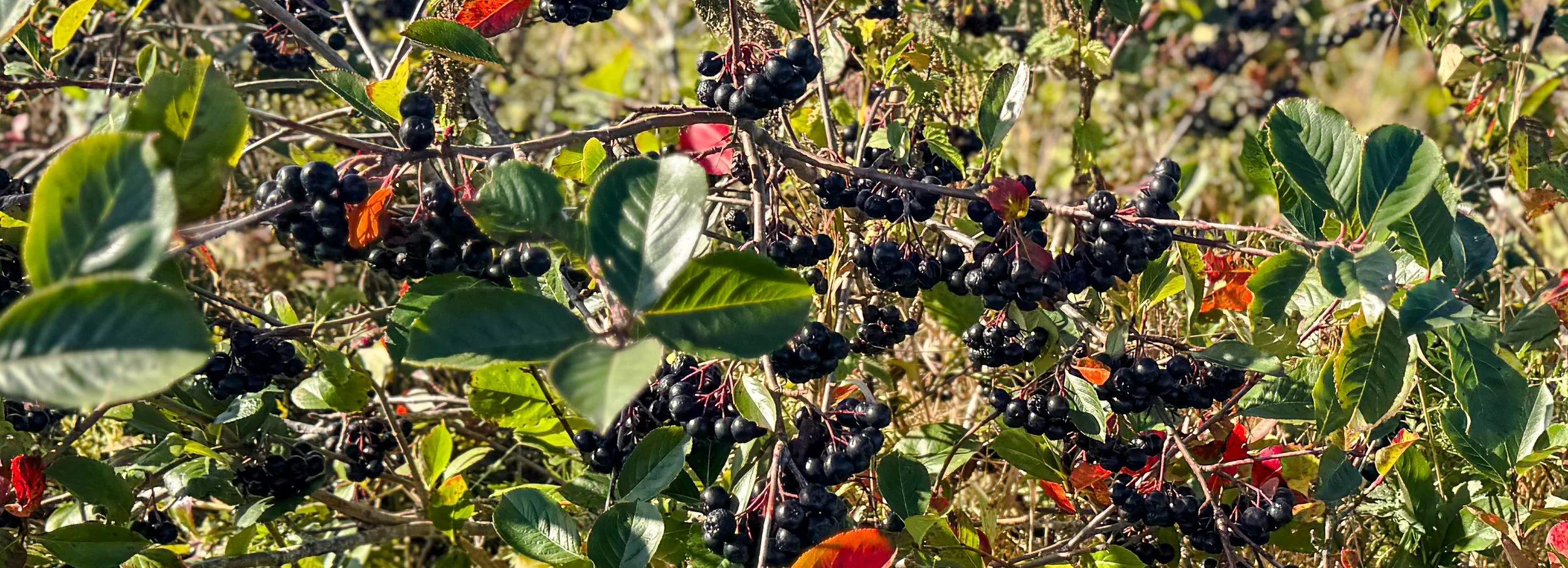
1. It is Packed with "Tiny Plant Defenders"
While Acai requires a warm, tropical climate to grow, Aronia is a true Northern survivor. They can survive down to around -30°C, so they’ll usually do just fine through Danish winters. There is something deeply grounding about eating food that holds the resilience to survive the very climate we live in. It serves as a beautiful reminder of our own strength.
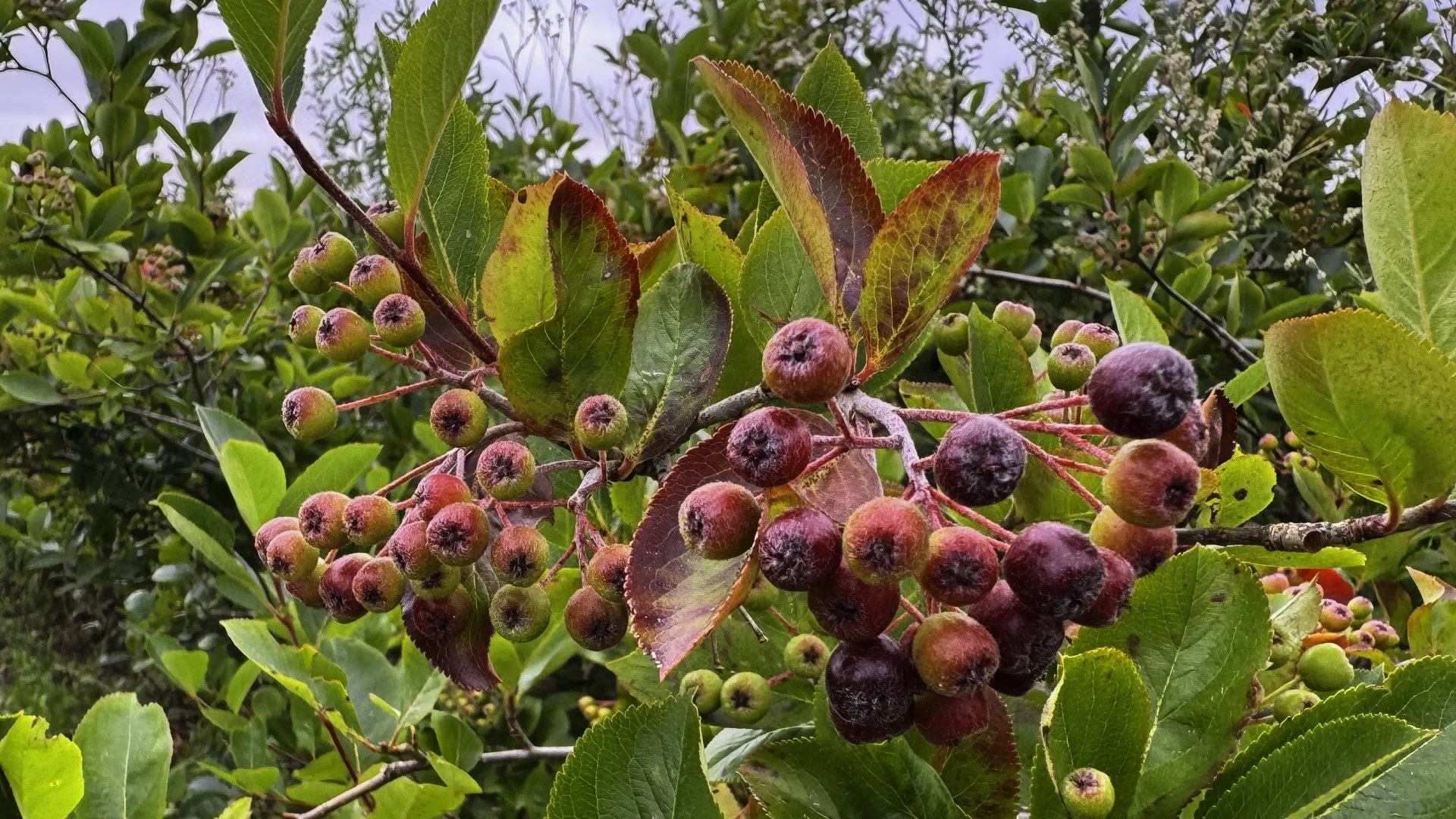
2. It Possesses Incredible Northern Resilience
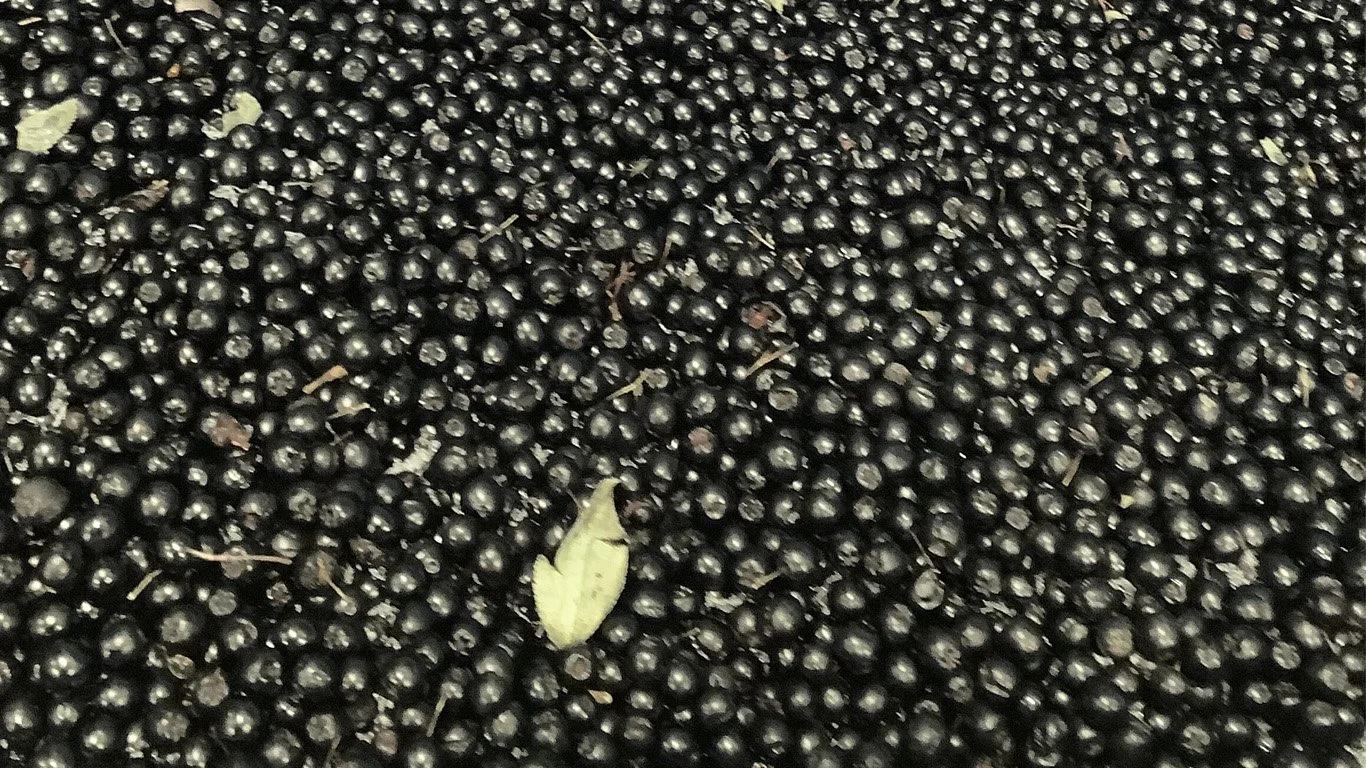
Acai is wonderful, but bringing it to Scandinavia means it must be harvested in the Amazon, processed, frozen, and shipped thousands of miles. Aronia, on the other hand, grows naturally right here in Denmark. Giving this Northern berry a try is a simple way to embrace a more local and sustainable option, drastically cutting down on global supply chains without sacrificing a single health benefit.
3. It is a Sustainable, Local Option
The Takeaway
We don't need to look across the world for a miracle superfood to freshen up the day. Sometimes, the most resilient, nutrient-dense option is already growing right in our own backyard.